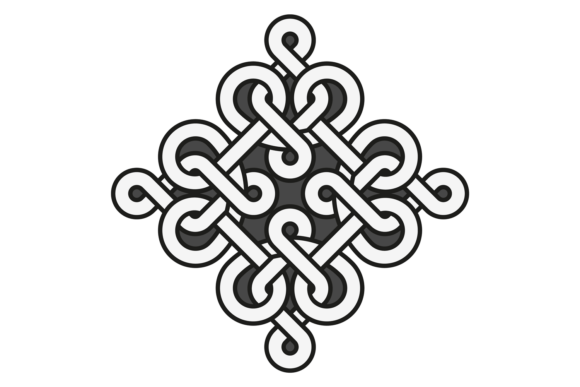
Traditional Chinese Knot Element. Decora: A Sophisticated Graphic for Branding & Marketing
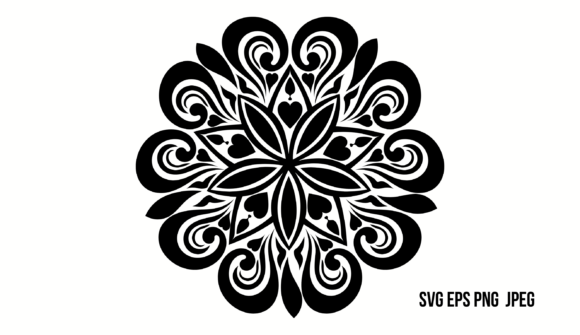
As a brand designer and content marketer, I recently reviewed the Traditional Chinese Knot Element. Decora—a decorative geometric design available in EPS, JPG, SVG, and transparent PNG formats. This design asset immediately stood out for its cultural richness and visual elegance. It’s a versatile illustration that blends tradition with modern design sensibilities, making it a valuable addition to any creative toolkit, especially for small businesses and content creators aiming to elevate their visual storytelling.
First Impressions: Timeless Elegance Meets Modern Design
The first thing I noticed about the Traditional Chinese Knot Element. Decora was its intricate yet balanced geometry. The knot motif feels both classic and contemporary, offering a sense of craftsmanship that appeals to audiences seeking authenticity and refinement. This makes it ideal for brands that want to communicate heritage, attention to detail, or a premium aesthetic without appearing outdated.
From a branding perspective, this design asset leans toward the sophisticated end of the spectrum. It can add depth and cultural nuance to visuals without overwhelming the message—perfect for lifestyle brands, artisanal product creators, and creative entrepreneurs looking to stand out in a crowded digital space.
How It Elevates Brand Identity and Campaign Visuals
In a recent branding project for a small tea company launching a new line of Chinese-inspired blends, I explored how the Traditional Chinese Knot Element. Decora could support the brand’s visual identity. We tested it in logo design mockups, packaging accents, and social media templates.
The results were promising. When used as a supporting graphic in logo variations and packaging inserts, the knot element added a layer of sophistication that aligned with the brand’s premium positioning. It also worked well in Instagram stories and Pinterest pins, where visual interest and cultural authenticity play a key role in audience engagement.
Perfect Use Cases Across Marketing Channels
- Social Media Graphics: Works beautifully as a background accent or framing element in Instagram posts and Pinterest pins, especially for seasonal campaigns or product launches.
- Email Marketing: Adds visual interest to email headers and banners without distracting from the core message.
- Packaging Design: Serves as an elegant border or decorative icon on product labels and inserts, enhancing perceived value.
- Editorial Layouts: Perfect for adding cultural flair to blog headers, digital magazines, and lead magnet designs.
- Canva Templates: A strong inclusion in branded template kits for entrepreneurs and content creators who want to maintain visual consistency across platforms.
Supporting Key Marketing Goals with Visual Design
One of the most compelling aspects of the Traditional Chinese Knot Element. Decora is how it supports core marketing objectives. When integrated thoughtfully, it can:
- Enhance first impressions by adding a touch of elegance to landing pages and campaign visuals.
- Improve visual hierarchy by guiding the viewer’s eye through the design with its flowing, interconnected lines.
- Build brand recognition by becoming a recurring visual motif across multiple touchpoints.
- Foster emotional connection through cultural symbolism and aesthetic harmony.
- Boost engagement by making content feel more polished and intentional—especially on visually driven platforms like Pinterest and Instagram.
Where This Design Asset Shines Brightest
Based on mockups and live tests, the Traditional Chinese Knot Element. Decora performs best in these visual contexts:
- Campaign headers and hero graphics
- Branded Canva templates and content kits
- Packaging accents and product label designs
- Promotional banners and event flyers
- Editorial layouts and blog post headers
- Merchandise and sticker designs
- Digital product visuals and course thumbnails
When to Use It with Caution
While this design asset is versatile, it’s not a one-size-fits-all solution. It should be used carefully in the following scenarios:
- Formal corporate branding: May feel too ornate for highly professional or minimalist B2B environments.
- Dense information layouts: Can compete with text-heavy content or data visuals.
- Small mobile graphics: Detail may be lost in very small sizes, especially in JPG or PNG formats.
- Low-contrast backgrounds: The knot design may not stand out if placed against busy or dark backgrounds without proper spacing.
- Text-heavy ads: Could distract from the core message if not balanced with ample white space.
Practical Designer Notes Before Implementation
Before integrating the Traditional Chinese Knot Element. Decora into a live campaign or client project, here are key checks to perform:
- Test with your brand color palette: See how it interacts with primary and accent colors.
- Check black and white usage: Ensure it maintains visual appeal in monochrome contexts.
- Place in real campaign mockups: Visualize it in social media posts, packaging, and print materials.
- Preview on mobile screens: Confirm visibility and clarity on smaller displays.
- Test readability in small sizes: Especially important for digital product thumbnails and social media stickers.
- Compare against competitor visuals: Ensure it adds unique value and doesn’t blend in too much.
- Check font pairings: Works well with script and serif fonts, but test with sans serif and display fonts to ensure balance.
- Review spacing and balance: Don’t overcrowd the design—let the knot element breathe.
- Confirm commercial licensing: Always verify usage rights before deploying in paid campaigns or client work.
Final Thoughts: A Strong Design Asset for Creative Entrepreneurs
Overall, the Traditional Chinese Knot Element. Decora is more than just a decorative graphic—it’s a strategic visual tool that can enhance brand storytelling, elevate marketing materials, and create a sense of cultural sophistication. Whether you're a small business owner designing your first packaging insert or a content creator building a branded Canva template, this asset offers a meaningful way to differentiate your visuals in a competitive market.
Used with intention and tested across platforms, this illustration can become a signature element in your visual branding toolkit—helping you create content that’s both memorable and professional.