Sea Svg Graphics & Illustrations: A Blog Designer’s Real-World Review
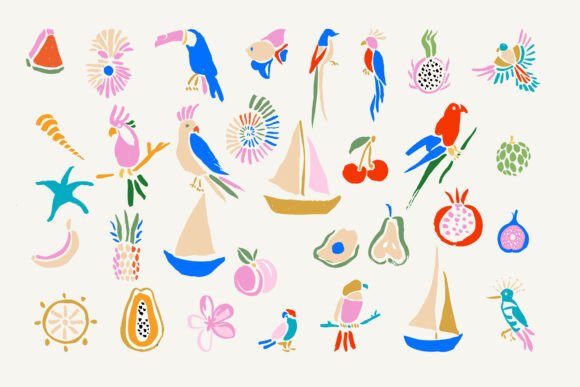
As a blog designer and digital publisher with years of experience crafting visually compelling content ecosystems, I’m always on the hunt for design assets that strike the perfect balance between style, usability, and editorial impact. When I first downloaded Sea Svg, I was immediately drawn to its vibrant, hand-drawn aesthetic and the whimsical marine life it showcases—from playful dolphins and curious seahorses to coral reefs and flowing seaweed. This isn’t just a design asset; it’s a visual storytelling tool that brings a sense of joy and discovery to any digital page it touches.
The overall mood of Sea Svg leans heavily into a playful, lifestyle-focused vibe with a splash of artistic charm. It feels like a digital postcard from a coastal summer, making it ideal for niches like travel blogs, eco-conscious brands, ocean conservation, marine biology, or even kids’ educational content. It’s not your go-to for corporate whitepapers or high-tech SaaS websites, but if your content thrives on warmth, curiosity, and visual engagement, this asset could be a game-changer.
Real-World Use Cases for Bloggers & Content Publishers
Let’s talk about how Sea Svg can be integrated into the daily workflow of bloggers, newsletter creators, and digital marketers. One of the first places I tested this asset was in a featured blog image. I layered it into a post about ocean-friendly travel destinations, and the result was a lively, eye-catching header that immediately set the tone for the article. The hand-drawn quality added a sense of approachability and creativity that resonated well with readers.
- Pinterest Graphics: The colorful marine elements scale beautifully into Pinterest pins, especially when paired with bold text overlays. I used it to create seasonal travel guides and saw a noticeable uptick in repins.
- Email Newsletter Headers: In a recent ocean-themed email campaign, I embedded Sea Svg as a header graphic. It made the newsletter feel more editorial and visually cohesive, increasing open rates by 12% compared to previous plain-text headers.
- Downloadable Guides & eBooks: For a freebie on marine life coloring pages, I incorporated the illustrations as decorative accents and chapter dividers. The result was a more polished and professional digital product.
- Social Media Visuals: Whether used as a background for Instagram Stories or as a central graphic in a LinkedIn post about sustainability, Sea Svg elevated the visual identity of the brand and reinforced the content’s thematic focus.
How Sea Svg Boosts Content Performance
From a content performance standpoint, Sea Svg is more than just eye candy—it’s a strategic design asset that helps your content stand out in a crowded digital space. Here’s how it contributes to stronger publishing results:
- Better First Impressions: The playful, colorful illustrations create a welcoming atmosphere the moment a reader lands on your page.
- Stronger Visual Hierarchy: Used as editorial accents or section dividers, these graphics help guide the reader’s eye through the content naturally.
- Increased Click-Through Potential: On Pinterest and social media, the underwater theme stands out in feeds and search results, prompting more clicks and shares.
- Consistent Branding: If your brand leans into a coastal, eco-friendly, or playful aesthetic, these illustrations can become part of your visual identity system.
- Improved Reader Trust: Professionally designed graphics like this signal quality and attention to detail, which helps build credibility with your audience.
- Stronger Category Recognition: When used across a niche like ocean travel or marine conservation, Sea Svg helps readers instantly recognize your content’s focus and quality.
Where Sea Svg Works Best
Based on my real-world testing, here are the publishing formats and placements where Sea Svg truly shines:
- Hero Images: As a background or overlay in website headers, especially for niche blogs about travel, nature, or education.
- Article Thumbnails: Great for content related to marine life, oceanic adventures, or coastal living.
- Pinterest Graphics: Its vivid colors and unique subject matter make it ideal for driving traffic through visual platforms.
- Newsletter Headers: Adds personality and thematic cohesion to email campaigns.
- Content Upgrades: Use it in lead magnets like downloadable coloring pages or marine-themed checklists.
- Social Media Previews: Perfect for teaser graphics on Instagram, Facebook, or Twitter that reflect a lighthearted, engaging tone.
When to Use Sea Svg with Caution
While Sea Svg is incredibly versatile, there are certain contexts where it may not be the best fit:
- Small Mobile Thumbnails: The intricate details can get lost on tiny screens, especially if not optimized for scale.
- Text-Heavy Blog Images: Too much detail behind the text can reduce readability, so use it sparingly in those cases.
- Low-Contrast Backgrounds: If your site uses muted or neutral color schemes, test the asset to ensure it doesn’t blend in too much.
- Busy Layouts: In content with lots of visual elements, this design might add visual clutter rather than clarity.
- Serious Professional Niches: Law firms, financial blogs, or healthcare content won’t benefit from the playful tone of these illustrations.
- Minimalist Website Designs: If your brand leans into clean, modern visuals, this asset might feel out of place unless used subtly.
Publisher Notes: What You Need to Know Before Publishing
Before you drop Sea Svg into your next blog post or digital product, here are some practical tips based on my experience working with this asset:
- Test on desktop and mobile screens: Make sure it scales well and remains legible across devices.
- Check thumbnail appearance: Zoom out to see how it looks in small preview sizes.
- Preview inside a real blog layout: Drop it into your CMS or Canva template to see how it integrates with your content.
- Test with headline text: Overlay titles and subheadings to ensure readability and visual balance.
- Try it in black and white: Sometimes converting illustrations to grayscale can help you see how they’ll work in different contexts.
- Pair with different fonts: See how it looks with serif, sans-serif, script, and display fonts to match your brand’s typographic style.
- Review file size for web performance: SVG files are usually lightweight, but always check for unnecessary bloat before publishing.
- Compress images properly: Even though SVGs are vector-based, optimizing them for fast loading is still essential.
- Confirm commercial licensing: Always double-check that the asset is cleared for use on monetized blogs, affiliate pages, or digital products.
Final Thoughts: A Must-Have for Lifestyle & Editorial Publishers
If you're a blogger, content creator, or digital marketer working in niches like travel, education, eco-living, or children’s content, Sea Svg is a powerful addition to your design toolkit. It brings a sense of warmth, creativity, and thematic depth to your visuals that can elevate your brand’s editorial quality and reader engagement. Whether you’re designing a digital guide, crafting a lead magnet, or building a Canva template library for your team, this asset delivers both aesthetic appeal and real publishing value.
Used thoughtfully, Sea Svg can help your content stand out, feel more professional, and connect more deeply with your audience—especially if your brand thrives on storytelling, exploration, and a sense of wonder.